
Icicles are Talking - What Your Roof Might Be Telling You
Icicles hanging from your roof can look pretty, but they can also be a helpful clue about what's happening inside your home - especially in your attic.
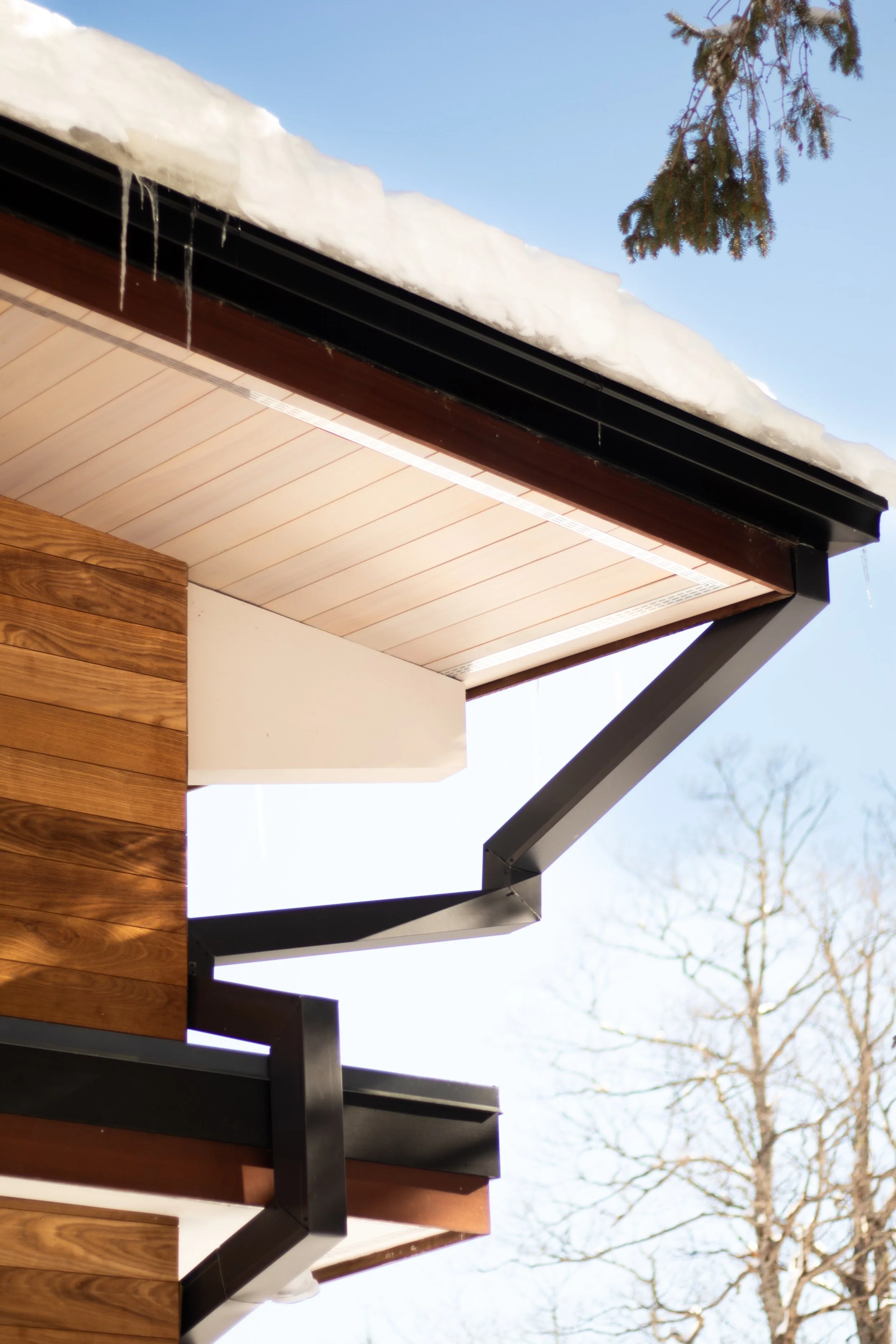
During cold weather, your roof should stay close to the same temperature as the outside air. When it doesn't, snow can begin to melt on the upper sections of the roof, run down toward the edges, and refreeze. This process creates icicles and, in many cases, ice dams.
So what causes this?
Most of the time, it comes down to heat escaping from the attic. If attic insulation is thin, damaged, or uneven, warm air from your home can rise and warm the underside of the roof. Poor ventilation can also trap warm air in the attic. Together, these issues create the perfect conditions for melting snow and refreezing at the eaves.
Here's what different icicle patterns can indicate:
Small, occasional icicles – Often normal after sunny days or brief warm-ups
Large or thick icicles – May point to significant heat loss from the attic
Icicles only in certain areas – Could indicate localized insulation or ventilation issues
Heavy ice buildup along the roof edge – A common sign of ice dam formation
Ice dams are more than a winter nuisance. They can trap water on your roof, allowing moisture to work its way under shingles and potentially cause leaks, damaged insulation, stained ceilings, and stressed gutters.
The good news? Many ice dam and icicle problems can be reduced or prevented with:
Proper attic insulation
Balanced attic ventilation
Sealing air leaks around lights, fans, and attic access points
At Legacy Gutter, we believe informed homeowners make better decisions.
If you're seeing heavy icicles or recurring ice buildup, it may be worth having your attic and roof system evaluated. Catching these issues early can help protect your home and avoid costly repairs down the road.
Protect Your Home. Build Your Legacy.