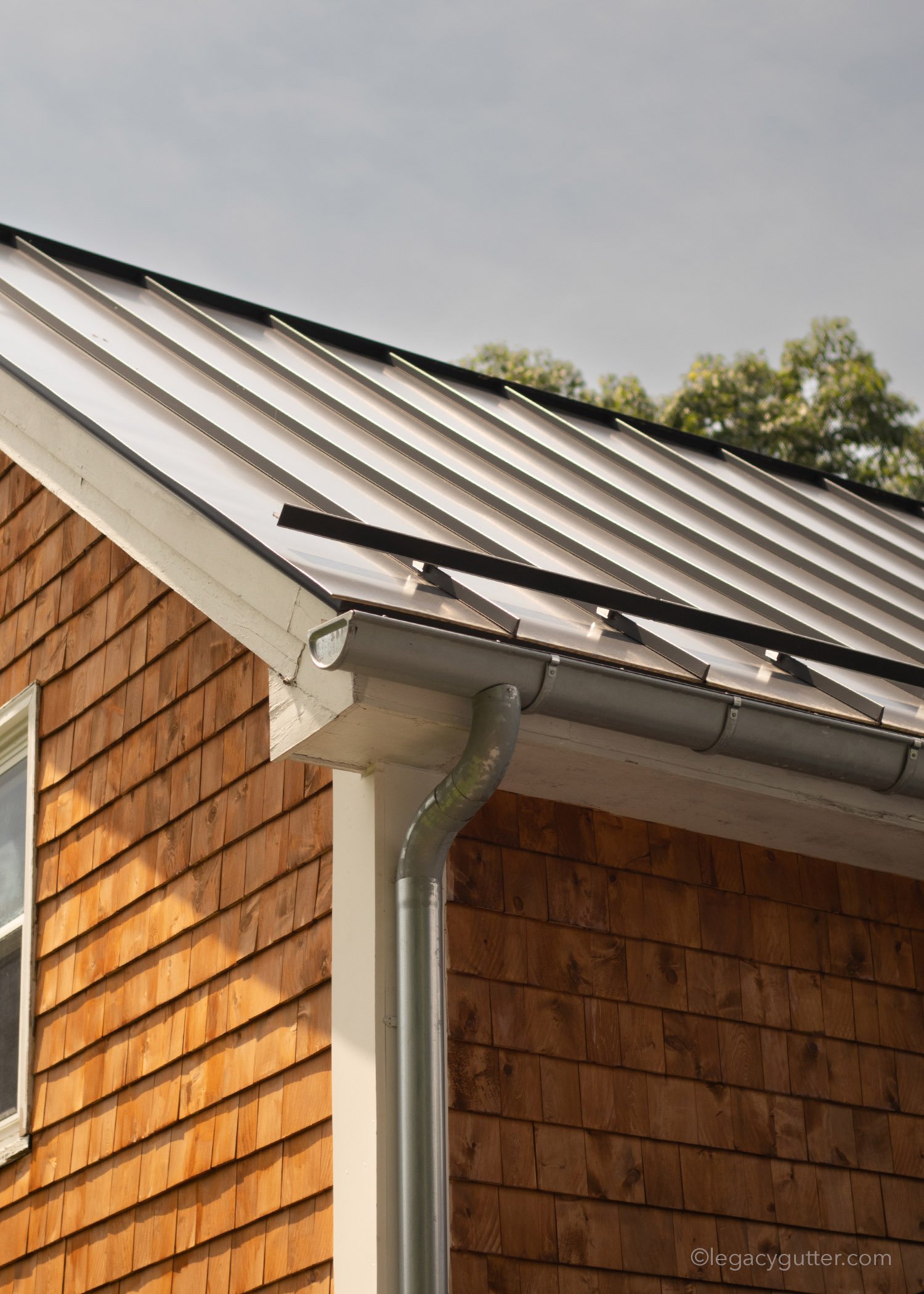
The Complete New England Gutter Winterization Checklist
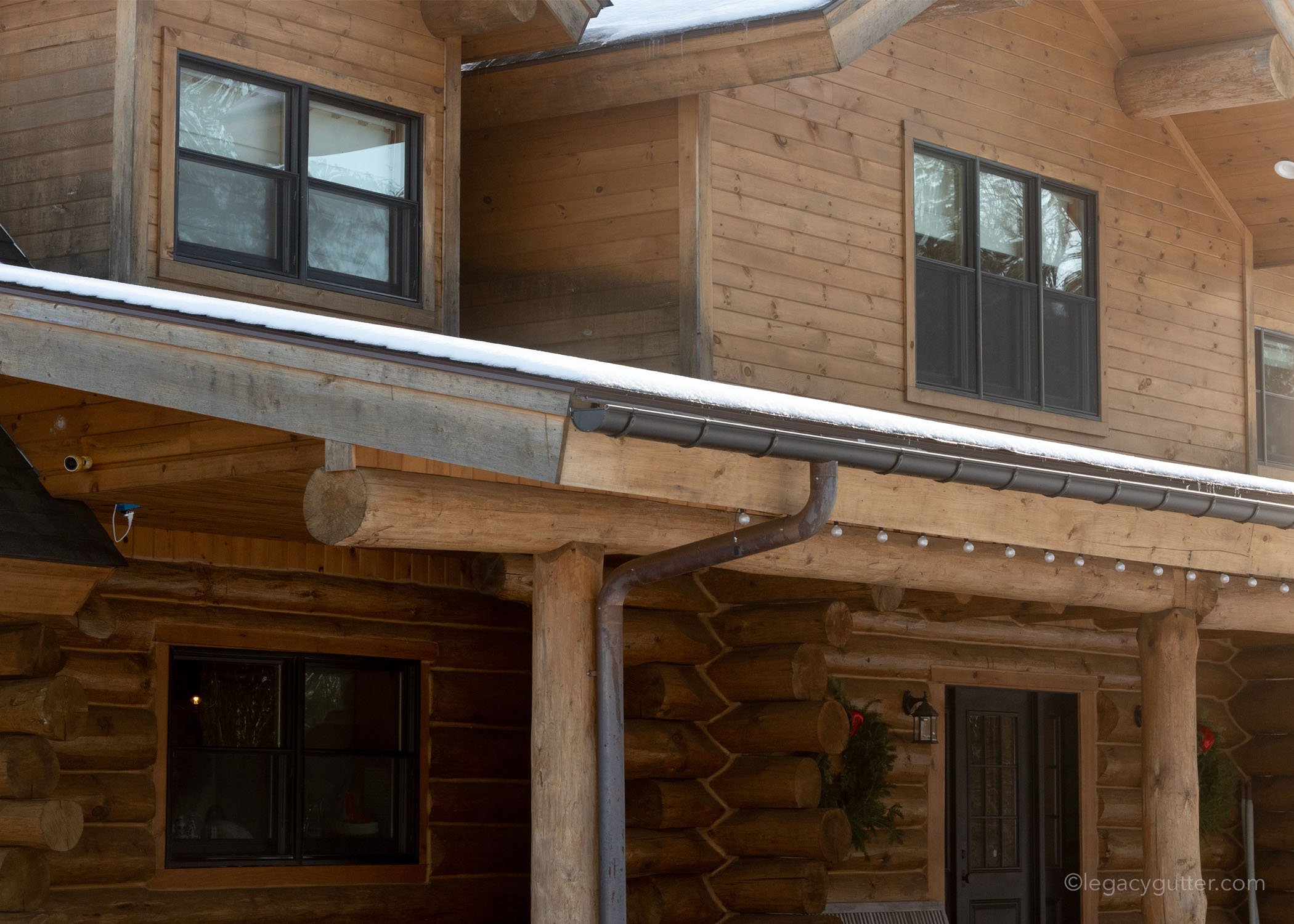
New England winters are beautiful, but they can be tough on your home.
Between falling leaves, heavy rain, snow, ice, freezing temperatures, and rapid weather changes, your gutters have a lot to handle. A gutter system that looks fine in the fall can quickly become clogged, damaged, or overwhelmed once winter arrives.
That’s why gutter winterization should be part of every New England homeowner’s fall maintenance routine.
Taking a little time to prepare your gutters before winter can help prevent avoidable problems and give your home a better chance of handling the season ahead.
Use this complete New England gutter winterization checklist to get your gutters ready before the first major winter storm.
1. Clean Out All Leaves and Debris
The first step in winterizing your gutters is also one of the most important: clean them thoroughly.
New England’s fall foliage can create significant amounts of debris in your gutters. Leaves, pine needles, twigs, and other organic material can accumulate quickly, especially around areas where your roof meets trees.
If debris remains in your gutters, it can block the flow of water and prevent your downspouts from draining properly.
Before winter arrives, make sure your gutters are free of:
Leaves
Pine needles
Twigs and branches
Roof granules
Dirt and sediment
Other accumulated debris
A clean gutter system is better prepared to handle late-fall rain and winter precipitation.
Contact Legacy Gutter for Gutter Cleaning
2. Check Every Downspout
Cleaning the gutters themselves isn't enough.
A clogged downspout can prevent water from leaving the gutter system, causing water to back up and overflow.
After cleaning your gutters, inspect each downspout to make sure water can move freely through it. Look for visible blockages, dents, loose connections, or sections that have separated.
If possible, check where each downspout directs water at ground level. Water should be directed away from the home's foundation rather than collecting directly alongside it.
3. Inspect Your Gutters for Damage
Fall is an excellent time to look for gutter damage before winter weather makes existing problems worse.
Walk around your home and look for signs such as:
Sagging or pulling gutters
Cracks or holes
Rust or corrosion
Loose fasteners
Separated gutter sections
Damaged end caps
Bent or dented sections
Water stains beneath the gutters
Small issues can become more noticeable once your gutter system is exposed to heavy rain, snow, ice, and freezing temperatures.
If you see damage that you're not comfortable addressing yourself, call us at 603-760-1927. We’re happy to help!
4. Check Your Gutter Pitch
Gutters need the proper slope to move water toward the downspouts.
If a section of gutter is sagging, water may begin pooling instead of draining properly. Standing water can become especially problematic as temperatures drop and the water freezes.
Look for sections where water appears to collect or where the gutter no longer maintains a consistent slope.
If you're unsure whether your gutters are properly pitched, Legacy Gutter can inspect them and determine whether adjustments are needed.
5. Inspect Gutter Hangers and Fasteners
Your gutter system needs secure support to handle the weight of water and debris.
During your inspection, check for loose or missing hangers, screws, brackets, and other fasteners.
Pay particular attention to areas where the gutters appear to be pulling away from the roofline.
A gutter that is already loose before winter may have difficulty handling additional weight from snow, ice, and debris.
6. Look for Ice-Damming Risk
Ice dams are a common winter concern for homeowners in cold climates.
An ice dam can form when heat from the home causes snow on the roof to melt. The water can travel toward the colder edge of the roof and refreeze, creating a buildup of ice.
While gutter maintenance alone cannot prevent every ice dam, keeping your gutters and downspouts clear helps ensure that melting snow and precipitation have a clear path to drain.
If your home has experienced recurring ice dams, it may be worth discussing the issue with the Legacy Gutter professionals.
7. Check Your Gutter Guards
If your home has gutter guards, don't assume they're completely maintenance-free.
Gutter guards can help reduce the amount of debris entering your gutters, but leaves and other material can still accumulate on top of or around the system.
Before winter, inspect your guards for:
Heavy leaf buildup
Damaged or missing sections
Loose edges
Clogged openings
Debris collecting around the downspouts
Your gutter guards should be clean, secure, and functioning properly before winter weather arrives.
8. Inspect Roofline Areas Above the Gutters
While you're checking your gutters, take a look at the roofline as well.
You don't necessarily need to climb onto the roof. From the ground, look for obvious signs of trouble such as damaged shingles, excessive roof debris, or areas where branches are resting against the roof.
If you notice something concerning, call Legacy Gutter to inspect it.
Keeping trees, branches, and other debris under control can also help reduce the amount of material that ends up in your gutters throughout the season.
9. Trim Back Overhanging Branches
Trees provide beautiful fall color, but branches hanging directly over your roof can contribute to gutter buildup.
Branches can drop leaves, pine needles, twigs, and other debris directly into your gutters. During winter storms, weak or overhanging branches can also become a potential hazard.
If you have trees near your home, inspect them before winter and consider having problematic branches professionally trimmed.
Never attempt to remove large or hazardous branches yourself.
10. Check Where Your Downspouts Discharge
A downspout can be completely clear and still cause problems if it deposits water too close to your foundation.
Check the bottom of each downspout and make sure water is being directed away from the house.
Extensions or other drainage solutions may be necessary depending on your property's layout. We install Ground Pipe Gutter Drain Systems too.
The goal is to move water away from the foundation and prevent unnecessary pooling around your home.
11. Schedule Your Fall Gutter Cleaning Early
One of the biggest mistakes homeowners make is waiting until winter is already here.
By then, gutters may be packed with leaves, temperatures may be freezing, and scheduling a cleaning may become more difficult.
Instead, plan your gutter cleaning for the fall - ideally after most of the leaves have fallen but before winter weather becomes severe.
For many New England homes, this makes late fall an important part of the annual home-maintenance calendar. Contact us today to get on our Fall Gutter Cleaning Schedule.
12. Don't Forget About Spring
Winterization isn't the end of gutter maintenance.
After winter has passed, inspect your gutters again.
Snow, ice, wind, branches, and freezing temperatures can put stress on the gutter system. A spring inspection can help identify any damage that occurred during the winter and clear out debris that accumulated during the season.
Think of gutter maintenance as a cycle:
Fall cleaning → Winter preparation → Spring inspection → Summer maintenance → Fall cleaning again.
Your New England Gutter Winterization Checklist
Before winter arrives, make sure you've checked off the following:
☐ Clean all gutters
☐ Clear all downspouts
☐ Inspect gutters for cracks and holes
☐ Check for sagging sections
☐ Inspect hangers and fasteners
☐ Check gutter pitch
☐ Inspect gutter guards
☐ Look for roofline debris
☐ Check nearby trees and branches
☐ Make sure downspouts direct water away from the home
☐ Address visible repairs before winter
☐ Schedule gutter cleaning with Legacy Gutter
Don't Wait Until Winter
New England weather can change quickly. Taking care of your gutters before the first major winter storm gives you an opportunity to identify problems while they're easier to address.
A few minutes of inspection or a professional gutter cleaning and inspection can help you stay ahead of seasonal buildup and keep your home's drainage system ready for the months ahead.
If your gutters haven't been cleaned yet this fall, now is the time to get them on the schedule.
At Legacy Gutter, we help homeowners prepare their gutter systems for the changing seasons. Whether you need a routine cleaning, an inspection, or help identifying gutter issues, taking care of the problem before winter arrives is always worth considering.
Don't wait for the snow and ice. Contact Legacy Gutter and get your gutters ready for winter now.